The Impact of AI on Customer Service

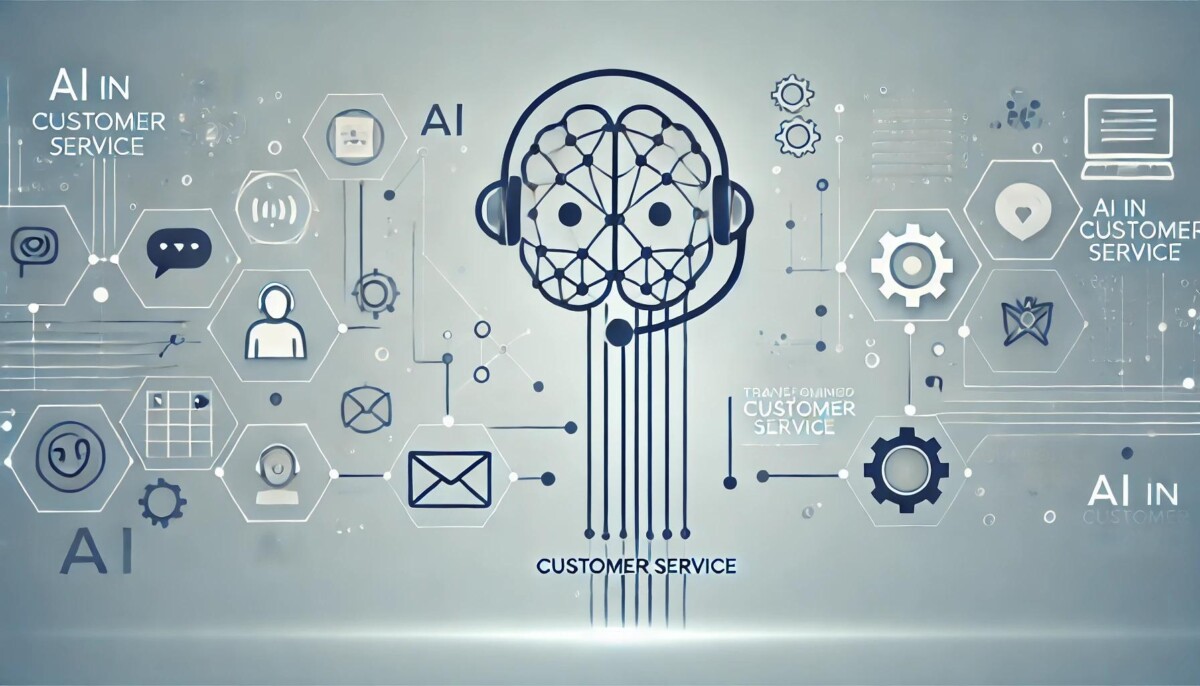
Artificial intelligence (AI) is rapidly transforming customer service across various industries, driving significant changes in how businesses interact with their customers. As AI technologies continue to evolve, they are reshaping customer service by enhancing efficiency, personalization, and overall customer experience. However, this transformation also presents challenges that businesses must navigate to fully leverage AI’s potential.
Enhancing Efficiency and Speed
One of the most significant impacts of AI in customer service is the improvement in efficiency and speed. AI-powered chatbots and virtual assistants are now capable of handling a wide range of customer inquiries, from answering frequently asked questions to resolving complex issues. These tools operate 24/7, ensuring that customers receive immediate responses regardless of the time of day. This availability reduces wait times and allows human customer service representatives to focus on more complex tasks that require a personal touch.
Moreover, AI systems can quickly analyze vast amounts of data to provide accurate and relevant information, enabling faster decision-making. For example, AI can automatically route customer inquiries to the appropriate department or agent based on the nature of the request, ensuring a more streamlined service process.
Personalization and Improved Customer Experience
AI is also driving significant advancements in personalization, which is crucial for enhancing customer experience. By leveraging machine learning algorithms and data analytics, AI can analyze customer behavior, preferences, and past interactions to deliver highly personalized service. This might include product recommendations, personalized offers, or tailored responses to customer queries.
For instance, e-commerce platforms use AI to suggest products based on a customer’s browsing history and purchase behavior. Similarly, AI-powered customer service tools can anticipate customer needs and provide proactive support, such as sending reminders for upcoming appointments or suggesting solutions before a problem escalates. This level of personalization not only improves customer satisfaction but also fosters loyalty and long-term relationships.
Cost Reduction and Resource Optimization
AI’s ability to automate routine tasks and handle large volumes of customer inquiries leads to significant cost savings for businesses. By reducing the reliance on human agents for basic support tasks, companies can optimize their resources and allocate them more effectively. This is particularly beneficial for small and medium-sized enterprises (SMEs) that may have limited customer service budgets.
Additionally, AI can help identify patterns in customer interactions that indicate potential issues or inefficiencies. By addressing these issues proactively, businesses can prevent costly problems from arising and improve overall service quality.
Also Read
- Before You Book a Raja Ampat Liveaboard: 10 Questions Experienced Divers Ask
- Kanawa Island Komodo Tour Snorkeling, Exploring and Package Options
- Tokyo Street Food Guide for First-Time Food Explorers
- Why Users Leave Even When Your Website Looks Good
- Why UI and UX Design Matter for Digital Success
Challenges in Implementing AI in Customer Service
While the benefits of AI in customer service are substantial, there are also several challenges that businesses must address. One of the primary concerns is the potential loss of the human touch in customer interactions. Customers may feel frustrated or disconnected when dealing with AI-powered systems, especially if the technology is not sophisticated enough to understand nuances in communication or provide empathetic responses.
Moreover, implementing AI in customer service requires significant investment in technology, training, and integration with existing systems. Businesses must ensure that their AI solutions are compatible with their current infrastructure and that their staff is adequately trained to work alongside these technologies.
Data privacy is another critical concern, as AI systems rely heavily on customer data to function effectively. Businesses must ensure that they have robust data protection measures in place to safeguard sensitive customer information and comply with relevant regulations.
Balancing AI and Human Interaction
To maximize the benefits of AI in customer service, businesses must strike a balance between automation and human interaction. While AI can handle routine tasks and provide quick solutions, human agents are still essential for resolving complex issues, building relationships, and providing empathetic support. A hybrid approach that combines AI’s efficiency with human agents’ emotional intelligence and problem-solving skills is often the most effective strategy.
Conclusion
AI is undeniably transforming customer service across various industries, offering numerous benefits such as improved efficiency, personalization, and cost savings. However, businesses must carefully navigate the challenges associated with AI implementation, including maintaining the human touch, ensuring data privacy, and managing the necessary investments in technology and training. By striking the right balance between AI and human interaction, businesses can enhance their customer service capabilities and deliver a superior customer experience in an increasingly competitive market.
Comments are closed.