Before You Book a Raja Ampat Liveaboard: 10 Questions Experienced Divers Ask

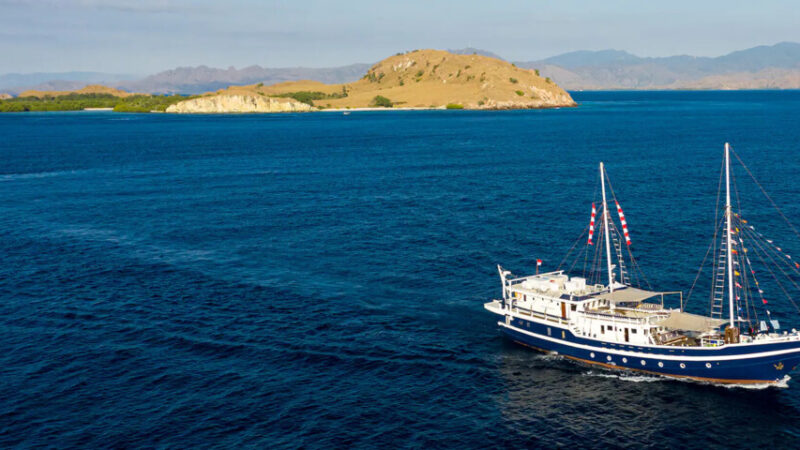
Explore current Raja Ampat liveaboard schedules, routes, and vessel options before choosing your trip. For experienced divers, booking Raja Ampat is not simply about finding a boat. The itinerary, currents, dive-group setup, season, equipment, and crew experience can dramatically shape the quality of the expedition. With such a vast archipelago and extraordinary marine biodiversity, asking the right questions before booking helps ensure the journey matches the way you actually like to dive.
1. How Long Should You Spend in Raja Ampat?
Raja Ampat is spread across four principal islands, Waigeo, Batanta, Salawati, and Misool, along with roughly 1,500 smaller islands and cays. Wallacea currently lists Raja Ampat programs of around 9 to 12 nights, giving divers time to explore several distinct areas rather than spending the journey constantly moving between distant sites.
A longer Raja Ampat diving trip can also provide more flexibility when currents, weather, or marine activity influence the day’s dive plan.
2. Which Areas Does the Itinerary Actually Visit?
Not every Raja Ampat liveaboard follows the same route. Dampier Strait is particularly famous for dense schools of fish, while Misool offers dramatic reef structures, gorgonian fields, reef sharks, manta encounters, and excellent macro subjects. Northern areas introduce destinations such as Wayag and Kawe, combining diving with Raja Ampat’s iconic limestone scenery.
Ask for the actual itinerary rather than assuming that every cruise covers the entire archipelago.
3. How Challenging Are the Currents?
Experienced divers often know that strong currents are not necessarily a disadvantage. Moving water carries nutrients and contributes to the remarkable productivity of Raja Ampat’s reefs.
However, timing matters. Wallacea explains that its guides conduct current checks before dives and adjust dive timing to avoid difficult or dangerous conditions.
When comparing Indonesian liveaboards, ask how current checks are performed, whether groups are separated by experience level, and how the cruise director decides when a site is suitable.
4. How Biodiverse Is Raja Ampat Really?
The numbers explain why Raja Ampat diving attracts experienced divers from around the world. The Raja Ampat Marine Park Authority reports more than 1,600 species of reef fish and more than 550 coral species in the region.
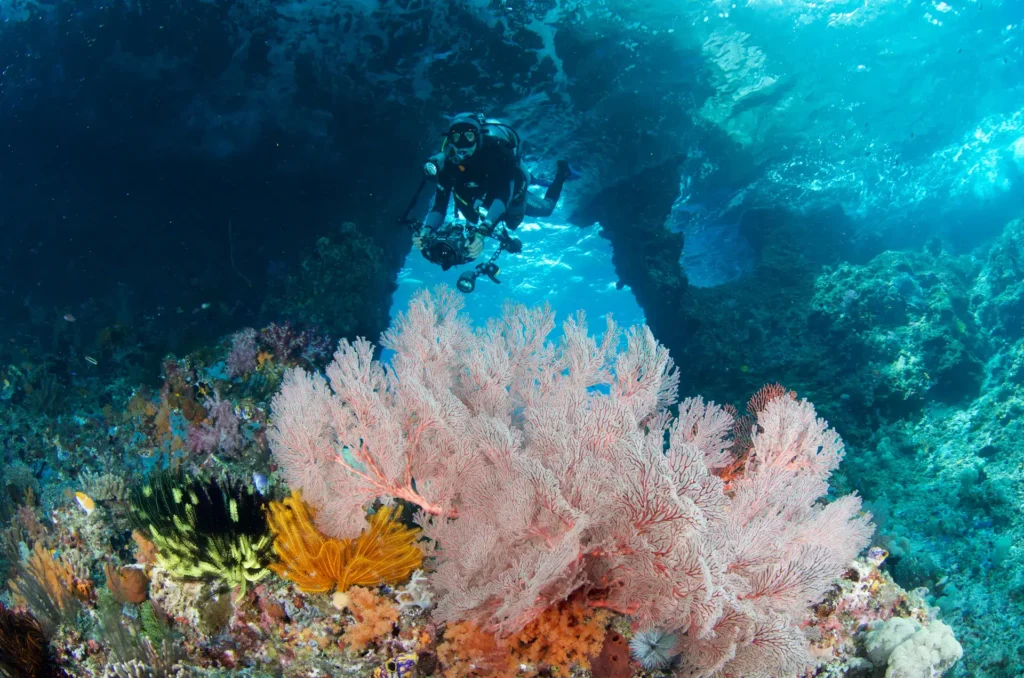
At Cape Kri in Dampier Strait, Wallacea notes that marine biologist Dr Gerard Allen documented 347 fish species during a single dive.
For divers interested in marine ecology, underwater photography, or simply encountering enormous concentrations of reef life, these figures help explain Raja Ampat’s reputation.
5. How Many Divers Are Assigned to Each Guide?
Guide-to-diver ratio can influence both safety and enjoyment. This becomes especially important for photographers, who may want to spend several minutes with a pygmy seahorse while another diver searches the blue for mantas.
Before choosing a liveaboard dive trip, ask how groups are formed and whether divers can be matched based on experience, air consumption, photography interests, and preferred diving pace.
Small operational details can have a surprisingly large effect on an eleven-day expedition.
6. Is the Vessel Designed Around Divers?
Cabin comfort matters, but experienced divers should also examine what happens behind the scenes.
Ask about Nitrox, dive tenders, tank setup, equipment storage, camera stations, charging areas, rinse tanks, entry procedures, and space for preparing equipment between dives. A well-organized diving yacht should make three or four dives in a day feel easy rather than repetitive or complicated.
This is particularly important for underwater photographers traveling with large camera systems.
7. When Is the Best Time to Go?
Wallacea identifies October through April as its principal Raja Ampat season and lists water temperatures around 27–31°C. Typical underwater visibility is approximately 10–20 meters, although plankton blooms can occasionally reduce visibility while also creating favorable conditions for manta encounters.
The best Raja Ampat liveaboard is therefore not necessarily the most luxurious boat. It is the departure whose season, route, dive style, and schedule best match your priorities.
8. Is It a Diving Expedition or a General Tour?
A Raja Ampat boat tour designed for sightseeing can be very different from an expedition built around serious diving.
Ask how many dives are normally planned each day, whether night diving is offered, and how often shore excursions replace dive sessions.
Travelers specifically seeking a Raja Ampat diving liveaboard experience should also check how much flexibility exists to repeat excellent sites or adapt the itinerary when underwater conditions are particularly good.
This distinction is important when planning intensive diving in Indonesia, where destinations can appeal equally to divers and general adventure travelers.
9. What Is Included in the Published Price?
Never compare cruises based only on the headline rate.
Ask whether the price includes Nitrox, marine park fees, airport transfers, diving equipment, fuel surcharges, meals, beverages, insurance, and other onboard expenses. Wallacea’s cruise section provides current schedules, vessel choices, routes, and booking information that can be reviewed before making an inquiry.
Wallacea Dive Cruise operates Raja Ampat itineraries aboard Ambai and Seahorse, with available routes changing according to the sailing calendar.
10. How Flexible Is the Cruise Director?
Raja Ampat rewards flexibility. Currents, weather, visibility, manta activity, and local conditions may make one dive site significantly better than another on a particular day.
A strong Raja Ampat liveaboard operation should therefore combine a carefully planned itinerary with enough local experience to make informed changes when conditions create a better opportunity elsewhere.
Experienced divers should ask how decisions are made, how much local knowledge the dive team has, and whether the itinerary can adapt to guest interests.
Choose the Trip That Matches the Way You Dive
The right Raja Ampat expedition is not determined by price or boat design alone. Consider where the itinerary travels, how the operation manages currents, how dive groups are organized, and whether the vessel supports your particular style of diving.
For photographers, current lovers, marine-life enthusiasts, and experienced recreational divers, these questions make it easier to compare options based on what actually matters underwater. Review upcoming Wallacea schedules, routes, and vessels, then choose the expedition that best matches your experience and diving priorities.
Comments are closed.