Tokyo Street Food Guide for First-Time Food Explorers

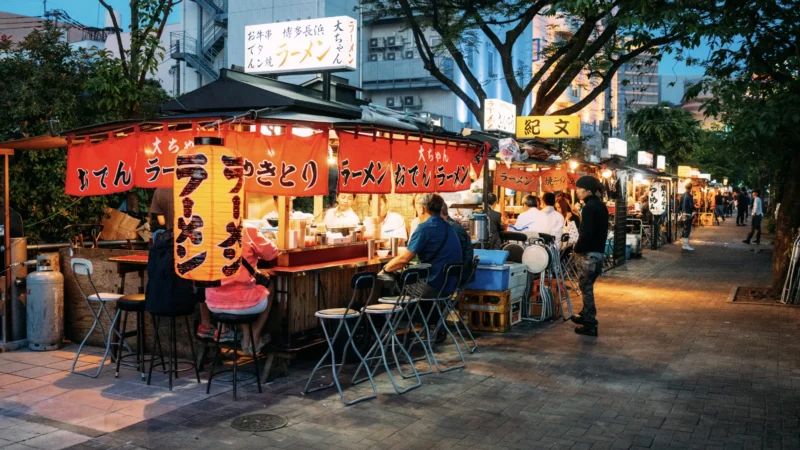
Tokyo is often associated with Michelin-starred restaurants, refined dining, and polished food halls, but one of the most exciting ways to experience the city is through its casual food culture. Street food and grab-and-go snacks reveal a different side of Tokyo—one that feels energetic, approachable, and closely tied to daily life. For first-time visitors, exploring these food spots can be one of the easiest ways to understand the city beyond its landmarks and shopping districts.
Although Tokyo’s street food scene is more regulated than in some other Asian cities, the city still offers plenty of opportunities to sample local snacks, festival-style foods, market bites, and casual specialties sold in busy neighborhoods. In some areas, this means traditional treats served near temples and shopping streets, while in others it means quick late-night food, standing stalls, or small local shops that have become part of Tokyo’s urban food culture.
One of the reasons street food works so well in Tokyo is the variety of neighborhoods that shape the experience. Different parts of the city bring different flavors, atmospheres, and food habits, which means travelers can combine sightseeing with casual eating throughout the day. A food-focused walk through Tokyo often becomes more than just a meal stop—it becomes a way to understand the rhythm, personality, and local character of each district.
For travelers planning to explore Tokyo as part of a wider Japan trip, balancing food-heavy city days with a more relaxed premium stay elsewhere can create a nice contrast. After spending time in Tokyo’s busy food streets and night districts, continuing the journey with a best sapporo luxury hotel experience offers a different side of Japan travel shaped by comfort, hospitality, and a slower pace.
Why Tokyo Is Great for Street Food and Casual Eating
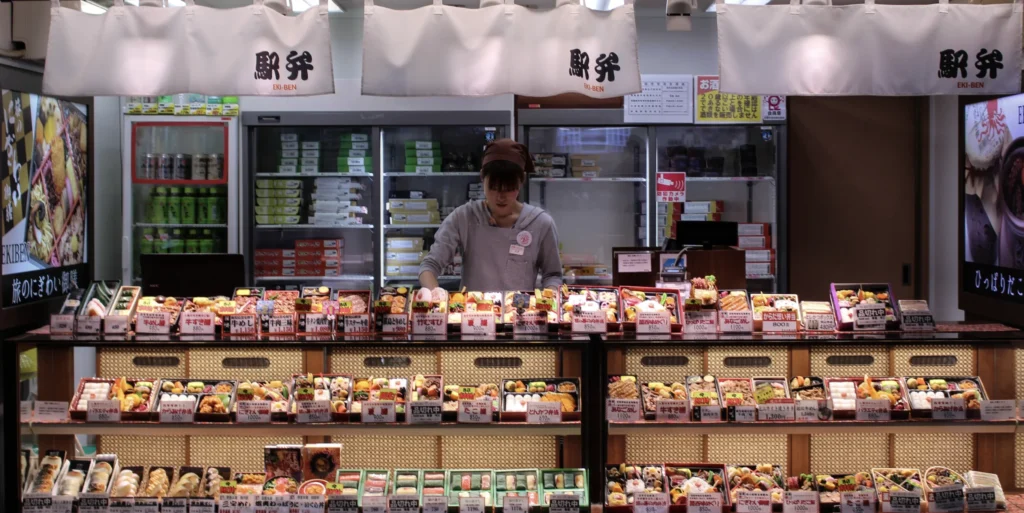
Tokyo is a city where food is deeply woven into everyday life, and that makes it especially rewarding for travelers who enjoy casual eating. While the city may not always fit the classic image of open-air street food lined across every road, it offers a huge variety of quick, local, and approachable food experiences that function in a similar way. Travelers can move from snack to snack, explore neighborhood specialties, and build an informal food itinerary without needing formal reservations or high budgets.
Another reason Tokyo stands out is the way food experiences are distributed across different districts. A traveler might spend the morning in an older neighborhood sampling traditional sweets, the afternoon trying popular fried snacks near a shopping street, and the evening eating grilled skewers or quick comfort food in a nightlife area. This variety makes street food exploration feel naturally connected to sightseeing rather than like a separate activity.
Tokyo also rewards curiosity. Many memorable food experiences come not from famous restaurants but from noticing small stalls, food counters, local bakeries, or snack shops that reflect the identity of a particular area. These places may not always look flashy, but they often offer some of the most enjoyable and accessible food moments of a trip.
For first-time visitors, this makes Tokyo an ideal city for exploring casually and eating spontaneously. Rather than planning every meal in advance, travelers can use neighborhood walks, markets, shopping streets, and nightlife areas as opportunities to discover food as they go.
Popular Areas for Street Food in Tokyo
One of the best ways to approach Tokyo’s food scene is by focusing on neighborhoods rather than individual dishes alone. Each district has its own atmosphere, pace, and food culture, which means street food exploration can feel very different depending on where a traveler goes. Some areas are known for traditional snacks and sightseeing-friendly food streets, while others are better for late-night bites, casual comfort food, or trend-driven treats.
Exploring multiple districts gives travelers a better sense of how diverse Tokyo’s casual food culture really is. Instead of looking for one single street food destination, it is often more rewarding to build a day around several neighborhoods, combining food stops with shopping, temples, nightlife, or local attractions.
Best Street Food in Shibuya
Shibuya offers a fast-paced, youthful food atmosphere where travelers can find trendy snacks, sweet treats, quick bites, and casual food stops between shopping and sightseeing. The district is ideal for visitors who want a more modern side of Tokyo food culture, especially one connected to fashion, nightlife, and busy pedestrian streets.
Read Also: Best Street Food in Shibuya
Best Street Food in Asakusa
Asakusa is one of the most accessible neighborhoods for travelers looking to combine sightseeing with traditional street food. The area around temple streets and shopping lanes often includes classic snacks, sweets, and quick bites that feel closely tied to Tokyo’s older cultural atmosphere. For first-time visitors, Asakusa can be one of the most enjoyable introductions to Tokyo’s more traditional food side.
Read Also: Best Street Food in Asakusa
Best Street Food in Shinjuku
Shinjuku is one of the best districts for travelers who want to experience Tokyo’s casual food scene after dark. The area is filled with lively streets, entertainment zones, and countless places to grab grilled snacks, quick comfort food, and late-night bites. Compared to more traditional districts, Shinjuku feels more urban and energetic, making it a strong choice for visitors who want street food experiences tied to nightlife and evening exploration.
Read Also: Best Street Food in Shinjuku
What to Eat in Tokyo Street Food Areas
Tokyo’s casual food culture is not defined by a single signature dish. Instead, it is shaped by a wide variety of snacks, quick bites, sweets, and savory specialties that appear in different neighborhoods throughout the city. Part of the fun for travelers is discovering how each area offers its own mix of flavors and food habits, from traditional treats near temple streets to trend-driven snacks in shopping districts and grilled comfort food in nightlife areas.
Because Tokyo’s food scene is so varied, it helps to approach street food with flexibility. Rather than trying to hunt down one “must-eat” item, travelers often get more out of the experience by sampling several smaller foods while moving through different districts. This makes it easier to combine eating with sightseeing and lets the city’s neighborhoods guide the experience naturally.
Japanese Snacks to Try in Tokyo
Tokyo offers a huge range of snacks that are ideal for casual food exploration, from sweet treats and fried bites to skewered foods and seasonal specialties. Some are tied to traditional Japanese food culture, while others reflect the city’s more modern and trend-driven side. Trying a mix of both gives travelers a broader sense of what makes Tokyo’s street food scene so enjoyable.
Read Also: Japanese Snacks to Try in Tokyo
Tokyo Night Food Spots
Food exploration in Tokyo often becomes even more exciting after dark, when nightlife districts and evening shopping areas fill with people looking for quick meals, drinks, and casual snacks. Night food spots offer a different side of the city’s food culture—one that feels more spontaneous, social, and closely tied to Tokyo’s urban energy. For travelers who enjoy evening walks and late-night eating, these areas can become some of the most memorable food stops of the trip.
Read Also: Tokyo Night Food Spots
Tips for Exploring Tokyo Street Food as a Traveler
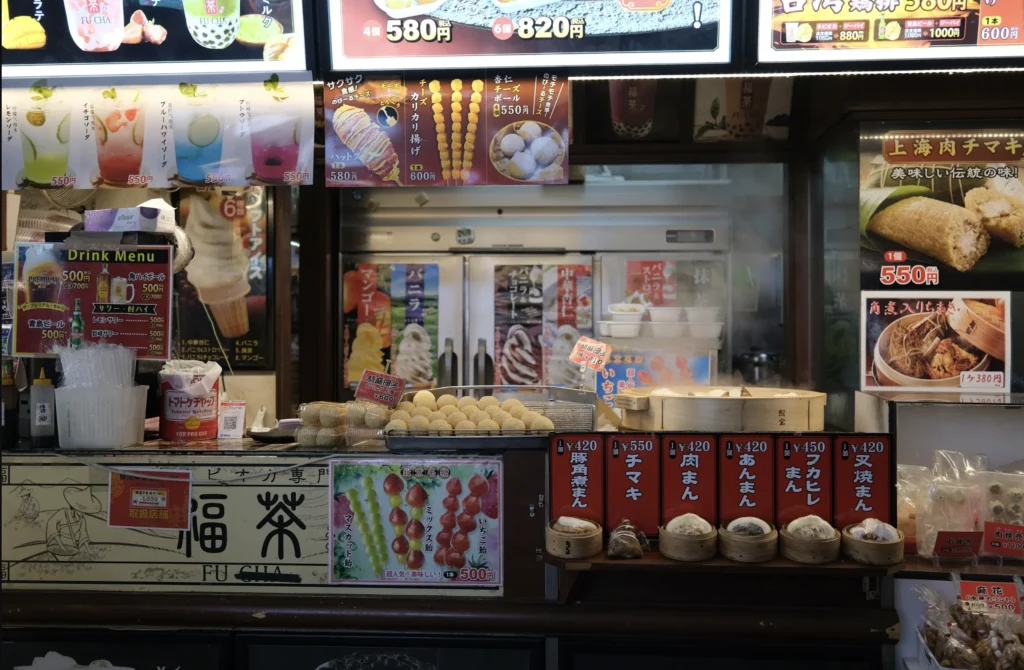
One of the best ways to enjoy Tokyo’s casual food scene is to treat it as part of the day’s exploration rather than a separate dining activity. Neighborhoods such as Asakusa, Shibuya, and Shinjuku are already full of attractions, shops, and cultural stops, so it makes sense to build food experiences around walking routes rather than trying to visit everything purely for eating. This creates a more relaxed pace and allows food to feel naturally integrated into the trip.
It also helps to stay flexible. Tokyo’s most enjoyable food moments often come from noticing a small snack shop, a counter full of local specialties, or a late-night food alley that was not originally part of the plan. Travelers who leave room for spontaneity usually get more out of the city’s food culture than those who focus only on a rigid list of famous dishes.
Another useful approach is to sample smaller portions throughout the day instead of committing to one large meal every time. This allows visitors to try a wider range of foods and experience how different districts each bring their own flavor to Tokyo’s casual dining culture.
Why Street Food Adds More Character to a Tokyo Trip
One of the reasons street food and casual eating matter so much in Tokyo is that they reveal a side of the city that formal dining and major attractions cannot fully capture. Through neighborhood snacks, market treats, quick evening meals, and local food habits, travelers begin to experience Tokyo as a lived-in city rather than simply a destination filled with landmarks. These smaller food moments often create some of the most vivid travel memories because they are tied to atmosphere, movement, and the everyday rhythm of urban life.
Street food also helps travelers connect different parts of the city in a more natural way. A morning in Asakusa may feel incomplete without sampling traditional sweets near the temple streets, while an evening in Shinjuku often becomes more memorable when paired with casual bites in a lively nightlife area. In this sense, food becomes part of the city’s geography, helping visitors understand how different neighborhoods express their identity through flavor and local eating habits.
Another reason casual food exploration is so rewarding is that it encourages flexibility and curiosity. Tokyo can feel overwhelming if approached only through famous attractions and carefully planned schedules, but street food invites a looser, more spontaneous style of travel. Travelers can pause for a snack, change direction because a food lane looks interesting, or build an unexpected part of the day around what they discover while walking. That freedom often makes the city feel more approachable and enjoyable.
For first-time visitors especially, food becomes one of the easiest ways to understand Tokyo beyond sightseeing. It introduces the city through taste, atmosphere, and neighborhood character, turning ordinary walks into experiences that feel more personal, flavorful, and memorable.
Conclusion
A Tokyo street food guide is not only about finding quick meals or popular snacks. It is about discovering how the city’s neighborhoods, daily routines, and local flavors come together to shape a more dynamic travel experience. From traditional treats in Asakusa and trend-driven bites in Shibuya to nightlife food in Shinjuku, Tokyo offers countless ways to explore its casual food culture while moving through the city.
For travelers visiting Tokyo for the first time, street food and casual eating can become one of the most enjoyable ways to understand the city beyond its landmarks. These food moments are often tied to the places, people, and atmosphere that make each district unique, giving the trip more depth than a simple list of attractions ever could.
By combining neighborhood exploration with spontaneous food stops, travelers can create a Tokyo itinerary that feels both flavorful and memorable. The result is a more personal way to experience the city—one built not only around where to go, but also around what to taste along the way.
Comments are closed.