10 Fascinating Facts About the Boxer Crab You Didn’t Know

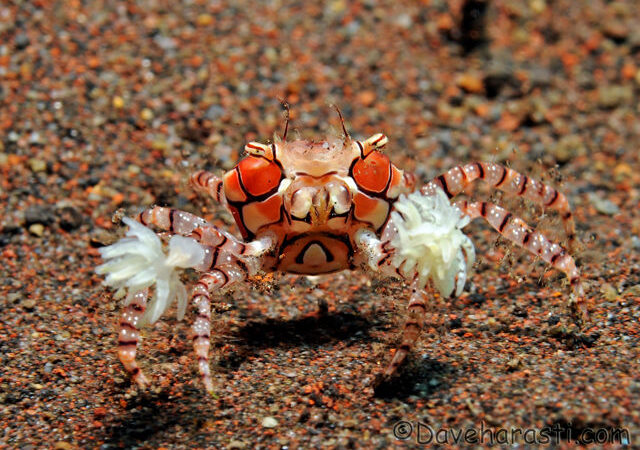
Deep beneath the turquoise waters of the Indo-Pacific, a tiny but mighty crustacean performs one of the most extraordinary displays in the marine world. Meet the boxer crab, a small but fascinating species best known for wielding stinging sea anemones in its claws like living pom-poms. This in-depth guide to the boxer crab explores its unique behaviours, habitat, and incredible survival strategies, offering a closer look at one of the ocean’s most peculiar creatures. Sometimes called the pom-pom crab, this species is a perfect example of mutualism in action, where two organisms team up for survival.
1. They Use Sea Anemones as Weapons
One of the most iconic features of the boxer crab is its habit of carrying a sea anemone in each claw. Unlike other crabs that use their claws for grasping or crushing, boxer crabs have turned theirs into tools of defence, wielding anemones like living tasers. These sea anemones can sting, protecting predators such as fish and octopuses.
But the relationship goes beyond utility. The crab waves its arms, anemones outstretched, in a manner that resembles a fighter’s stance, hence the name “boxer crab.” This behaviour is not just fascinating, it’s effective, deterring threats with both motion and venom.
2. Boxer Crabs Don’t Make Their Own Weapons
Here’s where it gets even more interesting. Boxer crabs don’t grow these anemones themselves; they find them. And when only one anemone is available, they’ll rip it in half. Thanks to the regenerative powers of many sea anemone species, each half can grow into a whole new organism. That means the crab essentially clones its weapon, ensuring it’s never without a complete pair.
Scientists have described this behaviour as rudimentary tool use, showing that these crabs are far from simple creatures. It also demonstrates how evolution shapes behaviour when survival is at stake.
3. They’re Only the Size of a Fingernail
Despite their dramatic behaviour, boxer crabs are tiny, typically no more than 2 centimetres across. Their compact bodies, delicate legs, and distinctive colouration make them hard to spot among coral rubble and crevices.
This tiny size is both a blessing and a curse. It helps them avoid detection by predators but also makes them vulnerable, which is why their partnership with anemones is so crucial. Suppose you’re diving in biodiverse areas like North Sulawesi, especially while staying at a macro dive hotspot like Lembeh Resort. In that case, you may be lucky enough to spot one hiding in the reef.
4. They’re Rarely Seen in the Wild
Even seasoned divers can go their entire careers without spotting a boxer crab in the wild. Their small size, camouflaged bodies, and preference for hiding make them rare photographic prizes. You’re more likely to encounter one if you’re diving in muck diving regions, areas with sandy or silty seabeds that are rich in strange and hidden marine life.
For example, the Lembeh Strait in Indonesia is world-renowned for its cryptic critters, and Lembeh Resort offers guided dives focused on spotting rare species, such as the boxer crab. Bring a macro lens, sharp eyes, and plenty of patience!
5. Boxer Crabs Perform “Symbiotic Farming”
Boxer crabs don’t just use anemones, they care for them. Scientists believe crabs feed their anemones scraps of food and protect them from predators and from being dislodged. In return, the anemones provide protection. This kind of mutualism is rare in crustaceans and resembles the earliest examples of farming.
In fact, it’s one of the few cases where an animal helps maintain the health and well-being of a creature it uses as a weapon. It’s a win-win relationship:
- The crab gets protection
- The anemone gets mobility and more food exposure
This kind of farming-like behaviour blurs the line between survival instinct and environmental management.
6. Not All Boxer Crabs Use the Same Anemone Species
Depending on the region, boxer crabs are seen carrying different species of sea anemones. This suggests they’re not exclusive to a single symbiotic partner, which shows a high level of behavioural flexibility. When one type of anemone isn’t available, they make do with what’s nearby.
In some cases, if no suitable anemone is found, the crabs have been seen picking up hydroids or similar organisms instead, anything with stinging capability that can serve as a deterrent. It’s another example of their adaptability in the wild.
7. They Can Regrow Limbs and Anemones
Like many crustaceans, boxer crabs can regenerate lost limbs through moulting. But what’s truly amazing is that they also stimulate regeneration in the anemones they carry. If one pom-pom is lost or stolen in a scuffle, the crab can simply split the remaining anemone in two and regrow the pair.
This ability keeps them from being defenceless for long, and since their entire defence relies on having those anemones, it’s a crucial biological advantage.
8. They Are Surprisingly Aggressive for Their Size
You wouldn’t expect a fingernail-sized crab to act like a featherweight champion, but boxer crabs are known to display aggressive behaviour toward threats and rivals. When confronted, they will raise their claws, wave the anemones furiously, and try to scare off attackers. This theatrical display often works because the stingers can deliver a painful surprise.
They are also territorial and may wave or lunge at other boxer crabs to defend their space. Their behaviour shows how posturing and bluffing can be practical survival tools in the animal kingdom, even without brute strength.
9. Their Scientific Name Is “Lybia”, and No, It Has Nothing to Do with the Country
The genus name for the boxer crab is Lybia, but don’t let that confuse you, it has no direct connection to the North African country Libya. Instead, it’s derived from early taxonomic practices and may refer to a region or collector during early scientific discoveries.
This often confuses, especially since common names like “pom-pom crab” are easier to remember. Still, if you’re searching for research or academic information, Lybia spp. is the correct term to use.
10. They’re Popular in Saltwater Aquariums
Boxer crabs have become favourites among reef aquarium enthusiasts thanks to their unique appearance and behaviour. However, keeping them in captivity requires careful tank setup, peaceful tank mates, and an appropriate environment where they can hide and forage.
Many responsible hobbyists advocate captive-bred specimens only, as wild harvesting can harm local populations, especially in areas where these crabs are already rare. If you’re interested in adding one to your tank, make sure your supplier follows ethical sourcing practices and that your aquarium meets the crab’s specialised needs.
Conclusion: Nature’s Most Unexpected Warrior
From waving stingers like pom-poms to regenerating their weapons and even nurturing them, boxer crabs are proof that the smallest animals often have the most incredible stories. Their lives are filled with clever survival tactics, symbiotic relationships, and displays of unexpected aggression, all packed into a body the size of a thumbtack.
Whether you’re a diver, marine biology student, or just someone who loves weird and wonderful ocean life, the boxer crab is a species that captures the imagination.
Which fact surprised you the most? Share this article and drop a comment to keep the marine curiosity going!
Comments are closed.