The Power of Color Psychology in Branding and Marketing

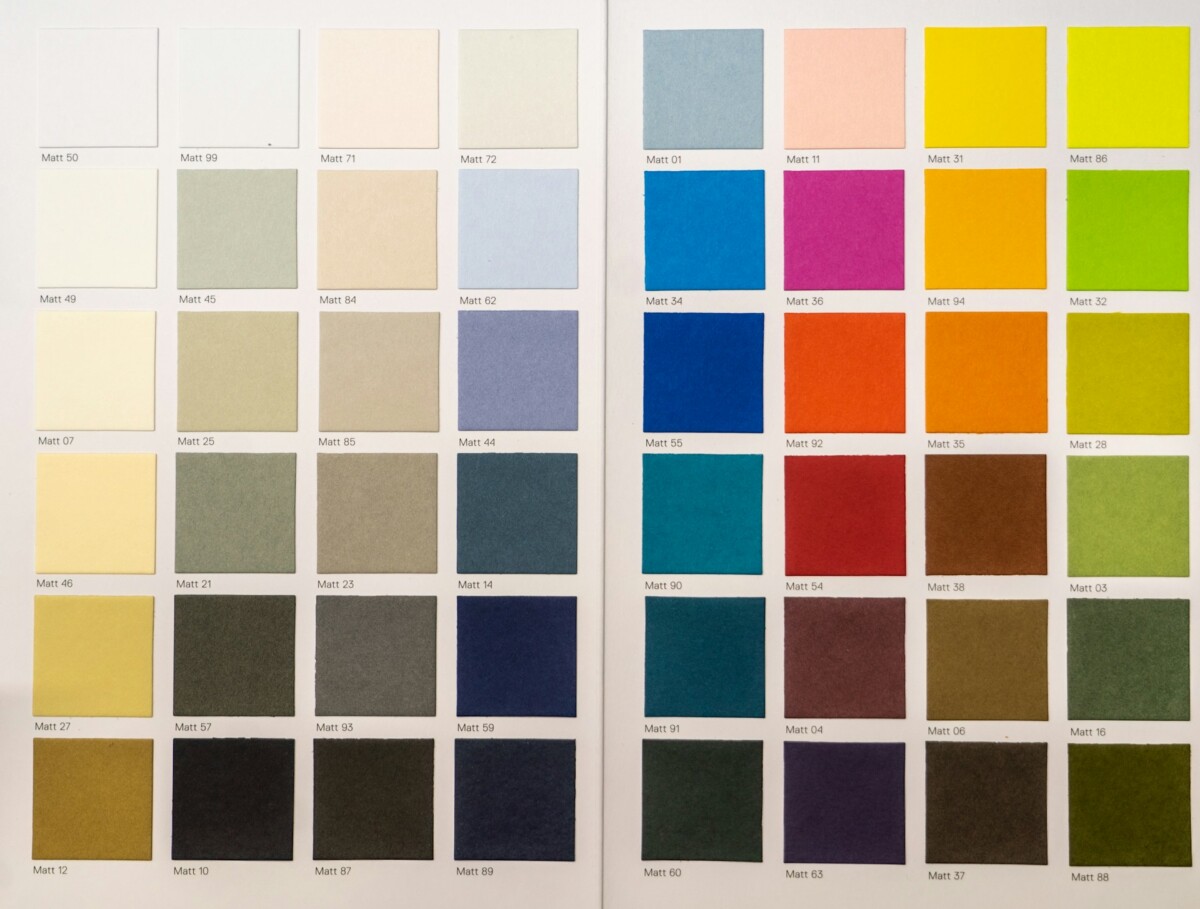
Color psychology is a fascinating and powerful concept that explores how different colors can influence human emotions, perceptions, and behaviors. In branding and marketing, color choices play a crucial role in shaping consumer experiences and driving business success. Understanding the principles of color psychology can help businesses create more effective marketing strategies and build stronger connections with their audience. Here’s an in-depth look at how color psychology impacts branding and marketing.
The Emotional Impact of Colors
Colors have the ability to evoke specific emotions and feelings, which can significantly influence consumer behavior. Each color is associated with certain psychological effects, and businesses can leverage these associations to create the desired impact. For instance:
- Red: Often associated with energy, excitement, and urgency, red can stimulate appetite and attract attention.
- Blue: Conveys trust, calm, and professionalism. It can also have a calming effect, making it suitable for brands that want to promote a sense of tranquility.
- Green: Symbolizes nature, growth, and health. Green is often used by brands that emphasize eco-friendliness and sustainability.
- Yellow: Represents optimism, warmth, and friendliness. Yellow can grab attention and create a cheerful atmosphere.
- Purple: Associated with luxury, creativity, and sophistication. It can also stimulate creativity and imagination.
- Orange: Conveys enthusiasm, creativity, and warmth. Orange is energetic and can be used to draw attention, especially in call-to-action buttons or promotional materials.
- Black: Represents sophistication, power, and elegance. Black is commonly used in luxury brands and high-end products to evoke a sense of exclusivity and authority.
- White: Symbolizes purity, simplicity, and cleanliness. White is often used in minimalist designs and can create a sense of space and clarity.

Color and Brand Identity
Color choices are integral to brand identity and can influence how a brand is perceived by consumers. Consistent use of color helps establish a brand’s visual identity and makes it more recognizable. For example, the red and white color scheme of Coca-Cola is instantly recognizable and associated with the brand’s vibrant and energetic personality.
When selecting colors for branding, consider the values and message you want to convey. Align your color choices with your brand’s core attributes and target audience preferences. For instance, a natural and eco-friendly brand might choose green and earth tones, while a tech company might opt for blue and gray to convey innovation and reliability.
Also Read: The Impact of AI on Customer Service
Cultural Considerations
Color psychology can vary across cultures, and it’s important to be mindful of cultural differences when designing marketing materials. Colors can have different meanings and connotations in different regions. For example, while white is often associated with purity and weddings in Western cultures, it can signify mourning and funerals in some Asian cultures. Conducting research on cultural color associations can help ensure that your color choices are appropriate for your target audience.
Color Psychology in Marketing
Incorporating color psychology into marketing strategies can enhance the effectiveness of campaigns and improve consumer engagement. Here are some practical applications:
- Website Design: Use colors that align with your brand’s identity and desired user experience. For example, a wellness site might use calming greens and blues to create a relaxing atmosphere.
- Packaging: Choose colors that resonate with your product’s message and appeal to your target market. Bright, bold colors can attract attention on store shelves, while muted tones might suggest elegance and refinement.
- Advertising: Select colors that complement your campaign’s goals and evoke the desired emotional response. Use contrasting colors for call-to-action elements to make them stand out.
- Social Media: Maintain a consistent color scheme across your social media profiles to strengthen brand recognition and create a cohesive visual identity.
Conclusion
Color psychology is a powerful tool in branding and marketing that can significantly influence consumer perceptions and behavior. By understanding the emotional impact of colors and aligning your color choices with your brand’s identity and target audience, you can create more effective marketing strategies and build stronger connections with your customers. Leveraging the principles of color psychology can enhance your brand’s appeal and drive success in today’s competitive market.
Comments are closed.