How Commercial Fit Out Impacts Your Brand Image

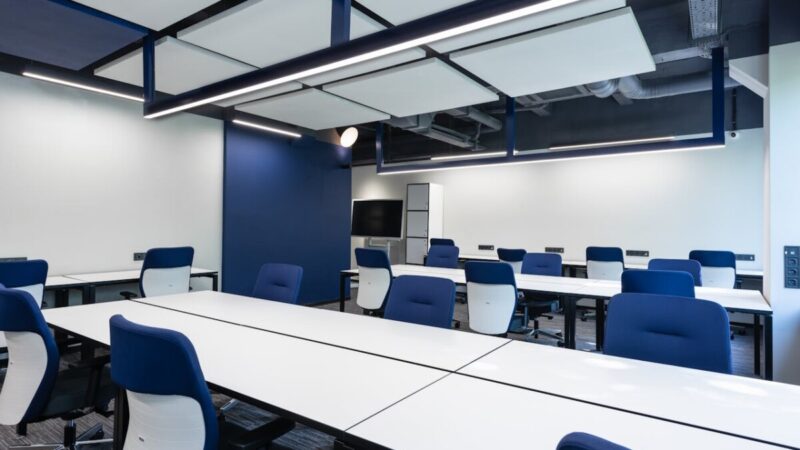
When it comes to brand identity, businesses often focus on logos, colour schemes, and marketing strategies. However, one crucial element that’s often overlooked is the physical environment where employees work and clients visit, the office space. A commercial fit-out is more than just an interior design project; it’s a reflection of your company’s values, culture, and vision. When considering a commercial fit-out for your office, partnering with a trusted brand like Stemar Group can make a significant difference in aligning your workspace with your company’s brand identity. A well-executed fit-out does more than enhance functionality; it serves as a powerful tool for communicating your company’s values, culture, and professionalism, making it an essential element in shaping how your brand is perceived by both clients and employees.
Understanding Brand Image
Brand image is the perception of your company in your audience’s minds, shaped by all interactions, communications, and visual elements people associate with your brand. It goes beyond the logo or tagline, everything from your marketing messages to your office space communicates something about who you are as a company.
Your physical environment is one of the most powerful tools for shaping brand image. The office space is the first thing clients and visitors see when they walk through your doors, and it sends a message about your business culture, professionalism, and how you value your employees and customers. A commercial fit-out, done right, can communicate your brand’s essence at first glance, fostering trust, familiarity, and connection with your audience.
The Role of Office Design in Brand Identity
Office design has a direct impact on how your brand is perceived. Every aspect of the space, colours, furniture, lighting, and layout speaks to your company’s personality and values. For instance, if your brand is innovative and creative, a bright and open office space with vibrant colours and playful elements may be more appropriate. On the other hand, if your company is more traditional and corporate, a more understated, professional design with clean lines and muted tones may align better with your image.
The design also sets the tone for how clients and visitors experience your brand. A sleek, modern reception area or comfortable meeting rooms convey professionalism and success, while a cluttered or outdated office can communicate disorganisation or a lack of attention to detail. In this sense, a commercial fit-out is an extension of your branding. When done thoughtfully, it strengthens your brand’s messaging and creates a lasting, positive impression.
Aligning Office Culture with Brand Image
Your office space should also reflect your company’s internal culture. After all, your employees are the ones who interact with the space every day, and the office design plays a significant role in fostering engagement, creativity, and collaboration.
For example, companies that prioritise innovation may design open-plan spaces to encourage teamwork and spontaneous discussions. Alternatively, a business that values quiet, focused work might incorporate more private offices or quiet zones. Whether your brand is collaborative, hierarchical, or customer-centric, your workspace design should mirror those values.
A fit-out can also enhance employee morale and loyalty. When employees feel their workplace reflects the brand they work for, they are more likely to feel proud of their company. A well-thought-out office can foster a deeper connection to the brand, reinforcing a shared culture and values.
How Commercial Fit Out Enhances Client and Visitor Experience
The first impression is everything, and the design of your office plays a crucial role in shaping that impression. A commercial fit-out can elevate the client and visitor experience, setting the stage for positive interactions. A polished, welcoming office space conveys credibility and professionalism, while an outdated or disorganised space may leave clients questioning your attention to detail.
For instance, a company in the financial or legal industry might opt for a more formal, classic design to instil confidence and trust in clients. In contrast, a creative agency might choose a dynamic, visually stimulating design to convey its innovative and out-of-the-box approach. Ultimately, your office should align with your brand’s positioning, offering clients a physical representation of what they can expect from your services.
The design also creates touchpoints where clients and visitors interact with your brand. Whether it’s through the welcoming front desk, branded meeting rooms, or a visually appealing lounge area, these moments can significantly influence how your brand is perceived.
The Impact of Technology in Commercial Fit Outs
Technology is a significant driver of the modern office space, and its integration can play a pivotal role in reflecting your brand’s innovative image. From smart lighting systems to automated temperature controls, technology is no longer just a convenience, it’s a statement about your company’s forward-thinking nature.
A commercial fit-out that incorporates the latest technological advancements not only enhances the employee experience but also strengthens the brand’s reputation as an industry leader. For example, businesses in the tech industry often use their office design to showcase cutting-edge technology, integrating interactive displays, digital signage, or augmented reality features that align with their innovative branding.
Moreover, technology can create a seamless client experience. Interactive screens in meeting rooms, self-check-in kiosks for visitors, and integrated audiovisual systems all contribute to a streamlined, modern environment that reflects a tech-savvy, efficient brand.
Case Studies: Commercial Fit Out as a Branding Tool
Let’s take a look at some companies where the commercial fit-out has played a key role in reinforcing their brand image.
- Google: Known for its playful and innovative culture, Google’s offices reflect these values with colourful, open workspaces, themed meeting rooms, and relaxation zones. The design encourages creativity and collaboration, perfectly aligning with Google’s brand as an innovator in the tech space.
- Apple: Apple’s retail stores and corporate offices are sleek, minimalist, and modern, with an emphasis on clean lines, natural materials, and cutting-edge technology. The design reflects the company’s brand ethos of sophistication, simplicity, and premium quality.
- WeWork: As a company that champions flexible, collaborative workspaces, WeWork’s fit-outs showcase open-plan layouts, movable furniture, and shared communal spaces that encourage networking and cooperation, mirroring the company’s brand identity as a community-driven workspace provider.
These examples show how thoughtful office design can reinforce a company’s values and mission, leaving a lasting impression on employees, clients, and visitors alike.
The Future of Commercial Fit Outs and Brand Image
As work environments continue to evolve, so too will the role of office fit-outs in shaping brand image. The growing trend of remote and hybrid work means that companies will need to find new ways to reflect their brand not just within the office but also in virtual and remote environments.
Sustainability is another key trend that’s influencing commercial fit-outs. With increasing awareness of environmental issues, companies are designing offices that not only reflect their brand values but also contribute to a greener, more sustainable world. Eco-friendly materials, energy-efficient designs, and waste reduction initiatives are becoming essential components of modern fit-outs that reflect a brand’s commitment to sustainability.
Key Considerations When Designing a Commercial Fit Out to Reflect Your Brand
If you’re looking to design an office space that aligns with your brand image, there are several key considerations to keep in mind:
- Define Your Brand: Start by clearly defining your brand’s values, mission, and personality. What do you want your office to say about your company? Whether it’s creativity, professionalism, or innovation, your design choices should reflect these qualities.
- Choose Materials and Colours Wisely: The materials you use, such as wood, glass, steel, etc. Should align with your brand’s ethos. Similarly, the colours you choose can evoke certain emotions. For example, blue conveys professionalism and trust, while green is often associated with sustainability.
- Consider Employee Needs: An office design that caters to employee needs, whether that’s through collaborative spaces, quiet zones, or ergonomic furniture, can enhance employee satisfaction, which in turn reinforces a positive brand image.
- Work with Experts: Collaborate with fit-out professionals to translate your brand values into a functional, aesthetically pleasing office design. Their expertise will ensure that every element of the fit-out enhances your brand.
Conclusion
A commercial fit-out is much more than just a renovation, it’s an opportunity to reinforce and communicate your brand image in a tangible, impactful way. A thoughtfully designed office space reflects your company’s culture, values, and vision, creating a positive impression on employees, clients, and visitors alike. By aligning your office design with your brand’s identity, you can strengthen your brand’s reputation, foster employee engagement, and enhance the overall client experience. Investing in a commercial fit-out that reflects your brand is not just about aesthetics, it’s about creating an environment that truly embodies who you are as a company.
Comments are closed.